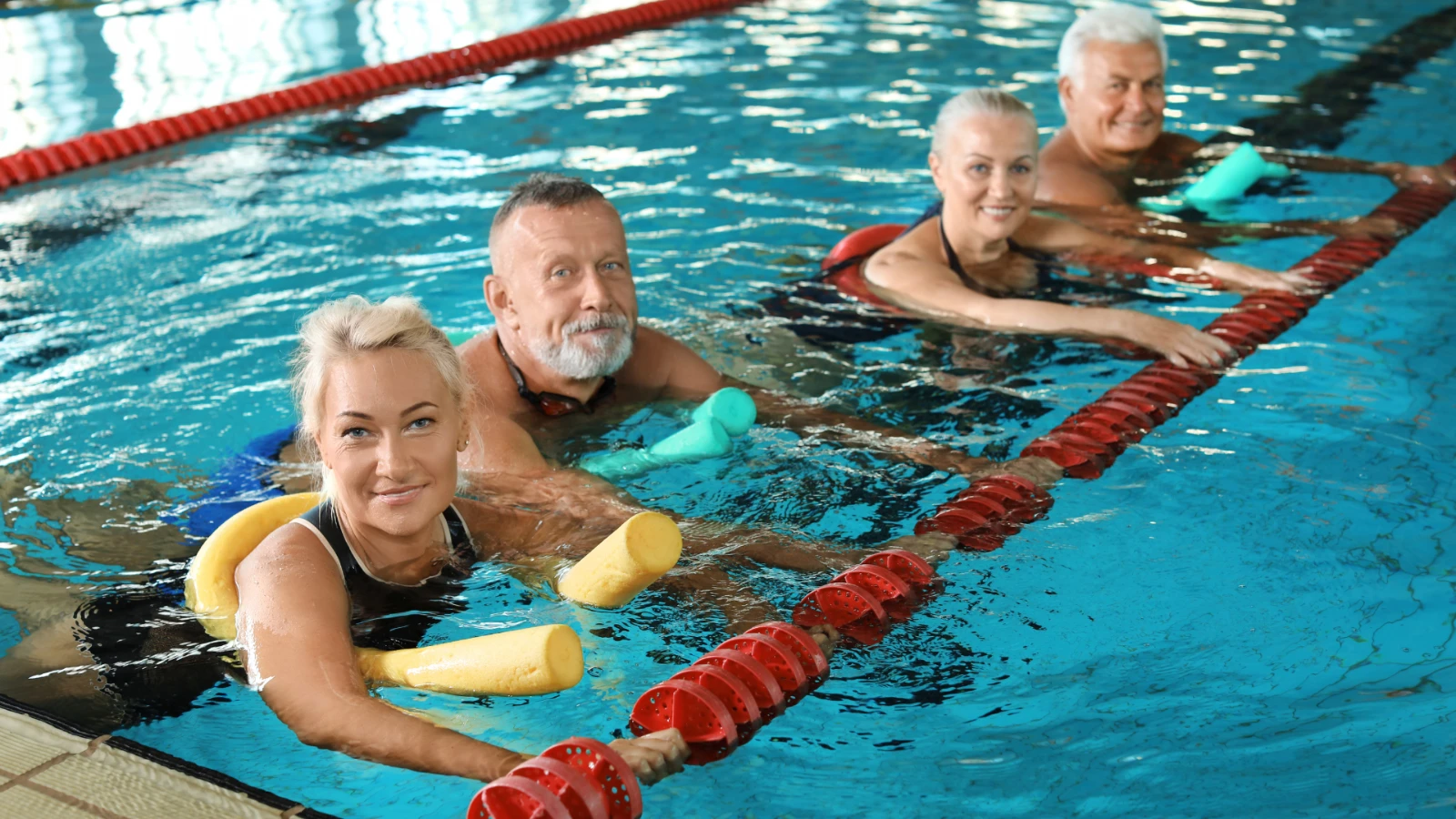
Swimming can be an enjoyable way to stay active, but for people with respiratory conditions, breathing while swimming can sometimes feel challenging. The combination of physical effort, breath control, and being surrounded by water can make swimming feel different from exercise on land.
Understanding how swimming affects breathing and knowing how to pace yourself can help make water-based activities more comfortable.
How Swimming Affects Breathing
Swimming requires you to coordinate your breathing with your movements. Unlike walking or cycling, where you can usually breathe whenever you want, swimming often involves turning your head or lifting it out of the water to take a breath.
This means that breathing can become part of the exercise itself. As the intensity increases, you may notice that you need to breathe more frequently or take longer breaks.
For people who already experience breathing difficulties, this can make swimming feel more demanding than expected. Starting slowly and allowing enough time to rest can help you find a comfortable rhythm.
If you experience
breathing problems while swimming, there are simple ways to make the activity more comfortable.
Swimming and Breathing: Finding Your Pace
One of the most important things to consider when swimming is your pace. Trying to swim continuously or keep up with other people can make the activity more strenuous.
Instead, consider starting with shorter periods of activity and taking breaks when needed. You can gradually increase the amount of time you spend in the water as you become more comfortable.
Simple adjustments can also make a difference:
- Start slowly and increase your pace gradually.
- Take regular breaks instead of waiting until you are exhausted.
- Pay attention to how your breathing feels during and after exercise.
The goal is not necessarily to swim for as long or as fast as possible. Finding an intensity that feels manageable can make the activity more enjoyable.
Swimming or Other Water Activities?
Swimming is not the only way to exercise in a pool. For some people, activities such as walking through the water or water aerobics may feel more manageable.
Aquatic exercise can provide an alternative to traditional land-based exercise, while the water can support the body and reduce the impact of certain movements. Research and clinical discussions around aquatic exercise in people with COPD suggest that water-based activities can be incorporated into exercise programmes when appropriately adapted.
Water aerobics, for example, combines movements performed in the water with different levels of intensity. This can allow people to choose exercises that match their current abilities.
If swimming feels too demanding,
water aerobics can be a gentler way to stay active in the pool.
What About COPD Symptoms?
People living with COPD may experience symptoms such as shortness of breath and fatigue during physical activity. These symptoms can become more noticeable when exercise intensity increases.
Swimming can be particularly demanding because breathing and movement have to be coordinated. If you notice that your breathing is becoming increasingly difficult, slowing down or taking a break may be appropriate.
It is also useful to pay attention to how you feel after leaving the pool. Recovery is part of exercise, and giving yourself enough time to rest can help you understand how your body responds to the activity.
Is Swimming Suitable for Everyone?
There is no single type or intensity of exercise that works for everyone with a respiratory condition. Your experience with swimming may depend on your symptoms, fitness level, swimming ability, and the intensity of the activity.
If you are new to exercise, have significant breathing difficulties, or are unsure whether swimming is appropriate for you, speak with a healthcare professional before starting a new exercise routine.

Want to keep track of your breathing?
Breathment helps you better understand your breathing and keep track of your symptoms in your everyday life. Discover the app and take a more active role in managing your respiratory health.
Making Swimming More Comfortable
You do not need to begin with a full swimming session. Spending a short amount of time in the water and gradually becoming more active can be a practical way to get used to the environment.
Choose an activity level that feels manageable, take breaks when necessary, and avoid comparing your pace with other swimmers.
For people who find swimming difficult, water-based alternatives such as gentle water aerobics or walking in the pool may be worth exploring.
Final Thoughts
Swimming can be a rewarding way to stay active, but breathing while swimming can take some getting used to, especially if you already experience breathing difficulties.
The key is to find an approach that feels comfortable for you. Start gradually, listen to your body, and give yourself enough time to rest. If swimming does not feel comfortable, other activities in the water can provide alternatives worth considering.
With the right pace and appropriate adjustments, water-based activities can become one of several ways to incorporate movement into your daily routine.

 Julia Haak