Swimming can be a refreshing way to stay active, but breathing in the water is different from breathing during most activities on land. For people who already experience breathing difficulties, this can make swimming feel more challenging.
Learning how to pace yourself and becoming comfortable with the rhythm of swimming can help you manage the activity more easily.
Why Can Swimming Make Breathing Feel Difficult?
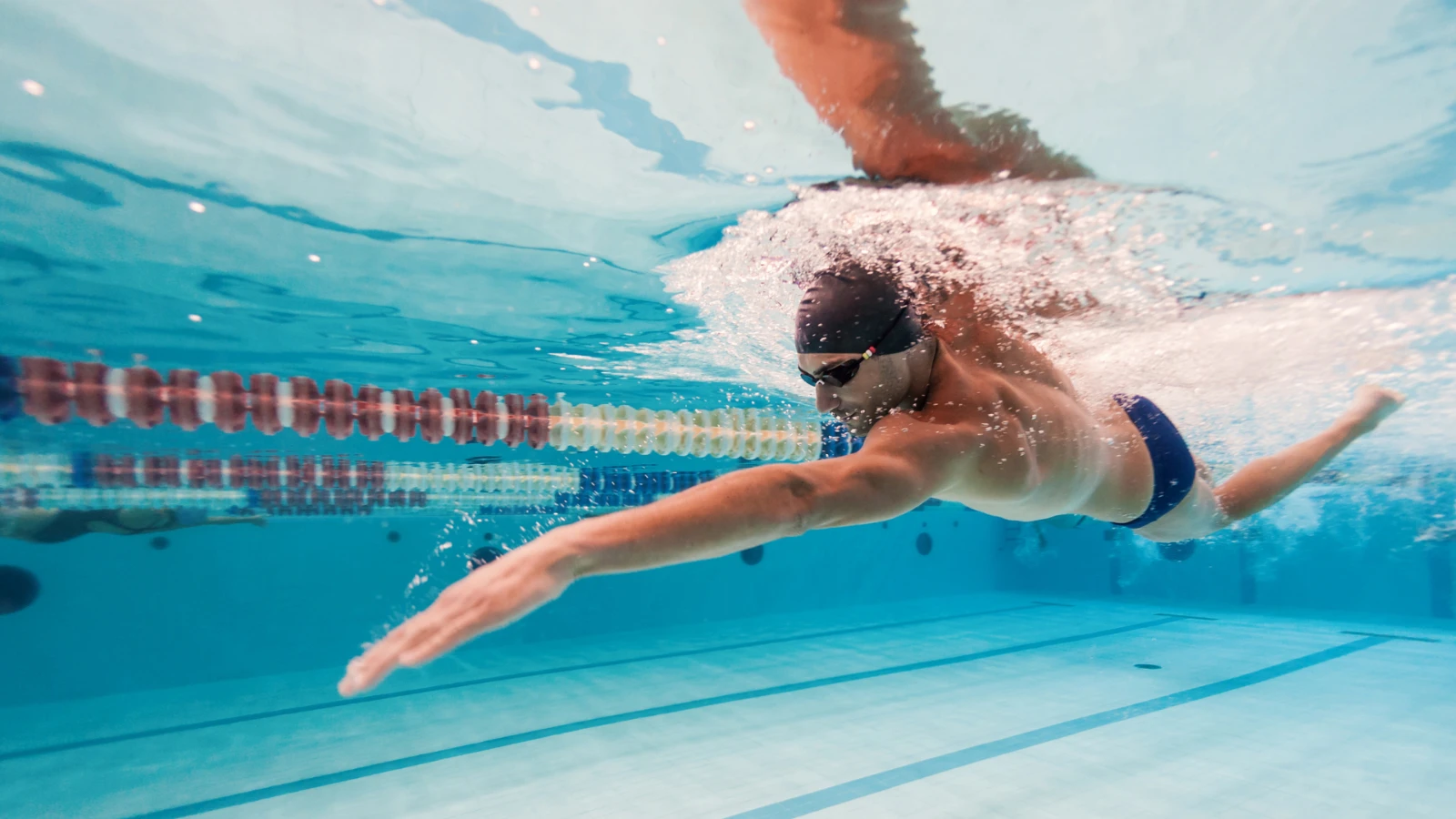
When you swim, your breathing has to work around your movements. You cannot simply breathe whenever you want because your face may be underwater for part of each stroke.
This means that you need to coordinate your movements with your breathing. Swimming faster can also increase the demand on your breathing, which may lead to breathlessness.
For someone with an existing respiratory condition, these challenges can make swimming feel more strenuous than expected.

Keep your breathing in focus.
Breathment makes it easier to track your symptoms and breathing in everyday life, helping you better understand changes over time.
Breathing Problems and Swimming Technique
Your swimming technique can influence how much effort you use. If you are tense or trying to swim too quickly, you may use more energy than necessary.
A slower pace can give you more time to focus on your breathing. Rather than trying to swim continuously, you can use shorter distances followed by a rest.
If you are learning to swim or returning to the pool after a long break, consider practicing your breathing technique separately before increasing the intensity of your swimming.
Start Slowly
You do not need to begin with a full swimming workout. Starting with a few short periods of activity can help you understand how your breathing responds.
For example, you could swim for a short distance, stop to rest, and then continue when you feel ready.
As you become more comfortable, you can gradually increase the amount of activity. The goal is to find a pace that feels manageable rather than trying to reach a particular speed or distance.
What If Swimming Feels Too Difficult?
Swimming is only one way to exercise in a pool. If coordinating your breathing with swimming strokes feels uncomfortable, you can consider other water-based activities.
Walking in the water or taking part in gentle water aerobics can allow you to remain active while staying upright and breathing normally.
These activities may also make it easier to control your pace and take breaks whenever necessary.
Water aerobics can provide an alternative way to exercise in the pool.
Tips for Managing Breathing Problems While Swimming
A few simple adjustments can make swimming feel more manageable:
- Choose a comfortable pace rather than trying to swim quickly.
- Take breaks between lengths or exercises.
- Focus on steady breathing instead of holding your breath.
- Stop if your breathing becomes significantly worse or does not settle with rest.
It can also be useful to let someone know if you have breathing difficulties, particularly if you are swimming in an unfamiliar pool or taking part in a group session.
Pay Attention to Your Body
Breathlessness during exercise can have different causes and levels of severity. It is important to learn what is normal for you and recognize when your symptoms are different from usual.
If you regularly experience significant breathing problems while swimming, speak with a healthcare professional. They can help you understand whether swimming is appropriate for you and how you can adapt your activity safely.
Understanding how
COPD symptoms may affect water activities can also help you recognize when to slow down or take a break.
Final Thoughts
Breathing problems can make swimming feel more demanding, but that does not necessarily mean you have to avoid all activities in the water.
Starting slowly, controlling your pace, taking regular breaks, and choosing an activity that matches your abilities can make water-based exercise more comfortable.
If swimming does not feel right for you, activities such as water aerobics or walking in the pool can provide gentler alternatives. The most important thing is to find a way to stay active that feels manageable and enjoyable.

 Julia Haak